Political Landscape Ahead of the Scottish Elections: A Complex Tapestry
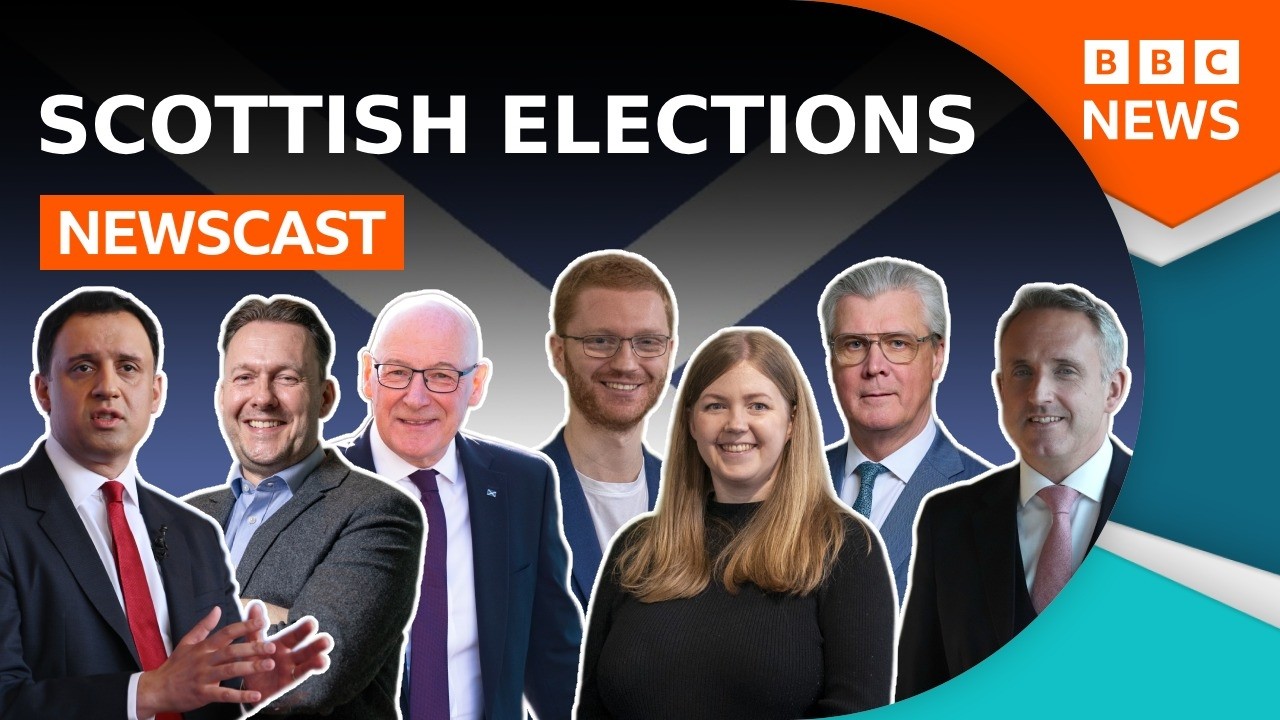
As Scotland prepares for its latest elections, the political environment is charged with anticipation and complexity. The Electioncast team, led by Adam alongside James, Alex, and Luke Trill from More in Common, dives deep into the nuances underpinning voting trends and public sentiment. Scotland’s mixed electoral system—featuring first-past-the-post constituencies alongside proportional representation via regional lists—creates a unique dynamic that warrants careful analysis.
At the core of this election cycle is a pivotal question of identity and governance. While the Scottish National Party (SNP) has been in power for nearly two decades, the political landscape appears fluid. Polls indicate that many Scots feel an urgency for change, with approximately 73% expressing a desire for it. This sentiment reflects a broader discontent that transcends party lines, drawing attention to pressing issues such as the cost of living, public services, and the state of the economy.
Luke Trill emphasizes the unique dual electoral system at play, which has implications for how votes translate into seats. The SNP relies heavily on its constituency support, while smaller parties aim to leverage their regional list votes for representation. This strategic maneuvering opens up new avenues for political engagement, allowing parties to target their messages effectively based on their relative strengths.
In the latest leaders’ debates, the tension between incumbent power and emerging challengers was palpable. Debates featured a stark divide, showcasing the traditional mainstays—SNP, Labour, and the Conservatives—versus newer entrants like Reform UK and the Greens. The debates were marked by an overarching theme: how parties plan to address the cost of living crisis, a concern that ranks as the top priority for voters. The palpable anxiety surrounding household finances informs voters’ perceptions of party credibility and promise.
In observing the heated exchanges, it becomes clear that the political battleground is no longer simply about specific policies; it is also about character and public perception. The absence of strong female leadership figures, previously emblematic in Scottish politics, has raised eyebrows. As recent debates featured an all-male lineup, reflections on representation and diversity within political structures come to the fore. This situation compels voters to consider what they seek in leadership—whether it’s experience, inclusivity, or fresh perspectives.
Focus groups reveal that many voters feel underwhelmed by the current political landscape. Reflections on past leaders like Nicola Sturgeon evoke nostalgia and a longing for more charismatic representations of Scottish identity. This introspection underscores an evolving narrative where traditional approaches may no longer suffice in addressing new-age anxieties and complexities, leading to calls for fresh leadership styles.
Moreover, the question of independence remains a significant undercurrent in the political conversation, albeit not the foremost concern for many voters at this juncture. As the SNP’s call for another referendum looms, it raises questions about the party’s ability to maintain unity among its constituents. While some view independence as essential to solving issues like the cost of living, others are uncertain, signaling a potential disconnect between party ambitions and voter sentiment.
Lastly, energy policy represents a critical issue as debates rage over Scotland’s reliance on North Sea oil and gas versus a shift toward renewables—a dichotomy rich with implications for local economies and climate commitments. As the electorate grapples with these conflicting priorities, the upcoming Scottish elections may well hinge on how effectively parties navigate these complex interconnections.
As the final votes are cast, it will be fascinating to observe the outcomes of these myriad dynamics that define Scottish politics in 2023. Voter sentiment is fluid, yet increasingly informed, creating an unpredictable but captivating electoral atmosphere. With the tide of public opinion shifting and divergent narratives across party lines, Scotland’s political future is both promising and uncertain. The implications extend beyond regional governance, reverberating through the broader discourse of identity, representation, and self-determination.